
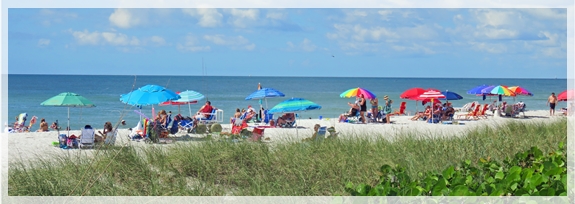
 We, therefore, can confidently say: ‘The Lord is my helper; I will not fear. What can man do to me?’ [Hebrews 13:6 (PHILLIPS)]
“The only thing we have to fear is fear itself,” said Franklin D. Roosevelt in his first inaugural address. It was 1933 and the nation was in the dark days of the Great Depression. Although the reason for our nation’s darkness differs, his words still hold true.
Like many others, our church spent last week discussing and implementing security measures. How can a house of worship—a place that welcomes the lost and the least, the weary and the burdened—protect itself from the violence that increasingly surrounds us? As so many schools do, should we require everyone to have laminated ID cards for entrance through our doors? Do we pat down people or pass them through metal detectors? Should we carry guns in shoulder holsters and purses? Do we cease welcoming strangers? Will we refuse entry to anyone involved in a domestic dispute lest their angry spouse chooses to vent his anger on our doorstep?
Will we allow fear to stop us from attending church? If we do, we might as well stop going to concerts, schools, theaters, shopping centers, street festivals, airports, parades, marathons, or sporting events—all of which are perfect targets for both terrorists and the mentally ill. No place is entirely safe, especially when cars and trucks can become weapons with just a turn of the wheel and a little pressure on the gas pedal.
I admit to being more cautious nowadays. I look for exits and avoid confrontations but that’s being sensible rather than afraid. Told to say something if we see something, I am attentive to my surroundings but for what are we supposed to look? The concert goers in Las Vegas never saw the shooter and, by the time the parishioners in Texas saw the gunman, it was too late. Once it was easy to identify the deranged—they were the ones talking or screaming to themselves, gesturing wildly, or dancing to their own inner music. Now, because of cell phones, blue tooth, and iPods, many on the street seem unbalanced when they aren’t and terrorists don’t wear t-shirts announcing their hateful plans.
Admittedly, we live in a world of random violence but it’s not nearly as violent as we think it is. The odds of dying of either heart disease or cancer are more than 30,000 times greater than dying at the hands of a terrorist. While those odds are of no comfort to the families who have lost loved ones to terror, they tell us to be watchful rather than afraid.
There is more to FDR’s quote: “The only thing we have to fear is fear itself—nameless, unreasoning unjustified terror which paralyzes needed efforts to turn retreat into advance.” When we allow fear to keep us from our daily routine, when fear keeps us from attending our children’s football games or flying on a plane, when we become too afraid to go the beach or even to church, we are retreating from the real enemy—Satan. Rather than arming ourselves with weapons, let’s put on the armor of God and, as Christ’s soldiers, bravely advance onward into battle.
 In the Sunday school stories we learned as children, the Bible’s heroes were larger than life. When we read about them as adults, however, we read the parts skipped in Sunday school and realize they were real people with feet of clay. Yet, it’s their sins and weaknesses that make their lives as relevant today as they were centuries ago. No matter how great, all except Jesus were flawed. Peter denied knowing Jesus, Matthew was a dishonest tax collector, Thomas doubted Jesus’ resurrection, Noah and Lot got drunk, Abraham lied to protect himself, David was an adulterer and murderer, Rahab was a prostitute, Jacob deceived his father, Jonah refused and fled, Sarah doubted and grew impatient, Samson allowed lust to lead him, Paul persecuted Christians, Elijah got so depressed he wanted to die, Gideon dared to question God, and, in spite of his great wisdom, Solomon disobeyed Him. The disciples argued amongst themselves and deserted Jesus, Isaac played favorites with his sons, and both Eli and Samuel tolerated the shameful behavior of their boys. Nevertheless, flawed as they all were, there is much to learn from their stories. We see the possibility of transformation and redemption. The prostitute was instrumental in an Israelite victory and became one of Jesus’ ancestors. The corrupt taxman became a disciple and turned his record keeping skills into gospel writing. The Pharisee became Christ’s messenger throughout the Roman Empire and the fisherman who denied Christ became the leader of the disciples. In spite of their faults, all of them were saints of God.
 As he took us to the car rental agency, the van’s driver welcomed us to Cleveland, explained where to get gas before returning our cars, and reminded us not to text and drive. After asking if there were any other questions, a voice from the back asked, “What is the purpose of life?” The driver quickly replied, “Finding comfortable shoes!” While we might rank finding comfy shoes high on our life list, that’s not the purpose of life.
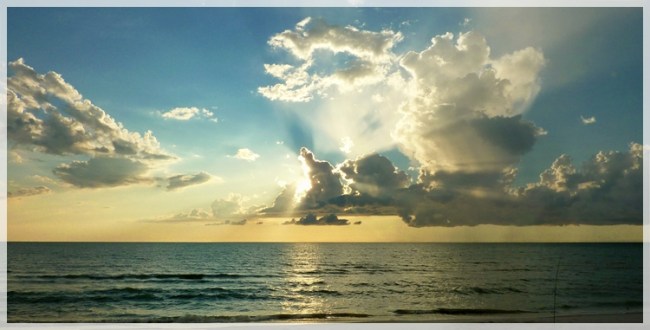 The heavens proclaim the glory of God. The skies display his craftsmanship. Day after day they continue to speak; night after night they make him known. They speak without a sound or word; their voice is never heard. Yet their message has gone throughout the earth, and their words to all the world. [Psalm 19:1-4 (NLT)]
 “A Christian doesn’t die,” declared the pastor, which may have been news to some of those attending the Celebration of Life. “He just moves!” the minister added as an explanation. Indeed, we are just temporary residents here on earth. Death for a Christian is simply a relocation and, unlike most moves we’ve made, it doesn’t require a purging of the items in the attic, garage sales, packing up boxes, or wrangling friends into helping us carry the heavy stuff! This is one transfer that neither requires moving vans nor mail forwarding.
 Devotions of the Heart