
The Lord is near to the brokenhearted and saves the crushed in spirit. [Psalm 34:18 (ESV)]
When I was a girl, regardless of the day of the week, Memorial Day was always May 30. It was when we took off the storm windows, put on the screens, could start wearing white shoes, and got out the grill. Nowadays, we no longer have the twice a year storm window/screen exchange or the silly “no white before Memorial Day or after Labor Day” fashion rule, we grill all year long, and Memorial Day means a three-day weekend. As the “official” start of summer, it’s when city pools open, families and friends gather for picnics, the kids get out the bubbles and sidewalk chalk, bicycle tires get pumped up, flowers are planted, and we relax in the yard with a cool lemonade while the ribs cook on the grill.
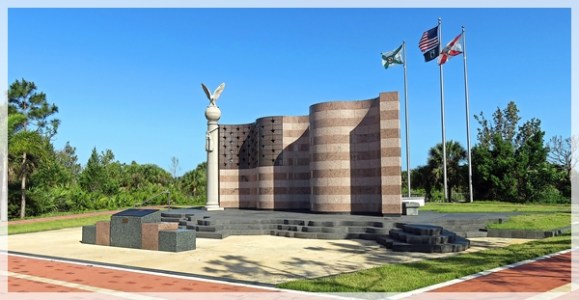
Memorial Day, however, is a day of remembrance—of remembering the more than 1.3 million American military men and women who, over the last 242 years, paid the ultimate price for our freedom to enjoy this pleasant holiday. That number, however, only reflects those who lost their lives in combat. Many more, like the nine who died in Georgia earlier this month, lost their lives in training.
People have paid for this three-day holiday weekend with their lives. Yet, with less than one percent of our population on active duty or in the reserves, most of us are distanced from the true cost of war. When we don’t know any military personnel, it’s easy to become unappreciative or complacent about their sacrifice. Let’s never forget that we continue to have American men and women in harm’s way. Since 2001, nearly 7,000 American troops have lost their lives in Operation Enduring Freedom/Afghanistan and Operation Iraqi Freedom alone and there seems to be no end in sight. Each one of those fallen soldiers left behind loved ones who still mourn their loss. For some people, today means placing flowers on a grave rather than a cook-out with hot dogs and s’mores. For them, every day is Memorial Day.
As we celebrate the start of summer, let’s pause to remember those who died in the service of their country, thank God for their sacrifice, pray for their families, and, most of all, pray for peace. Father in Heaven, we thank you for this nation in which we are blessed to live. Thank you for those who went before us, making our freedom possible and those who continue to battle for our country’s safety and survival. Just as we must remember that our salvation was because of your sacrifice, let us never forget that the freedom we enjoy as a nation came at a great sacrifice, as well.
Heavenly Father, on this Memorial Day, we pray for those who courageously laid down their lives for the cause of freedom. May the example of their sacrifice inspire in us the selfless love of your Son, our Lord Jesus Christ. Bless the families of our fallen troops, and fill their homes and their lives with your strength and peace. In union with people of goodwill of every nation, embolden us to answer the call to work for peace and justice, and thus, seek an end to violence and conflict around the globe. We pray through Christ our Lord. Amen. [Archdiocese of Detroit]
 Several years ago, there was a popular television program in which “Supernanny” Jo Frost would visit a home to help parents deal with the behavior problems of their children. She emphasized the need for both discipline and forgiveness. If children misbehaved or broke a rule after receiving a warning, they served a time-out on the “naughty step.” The parent clearly explained the reason for the discipline and the length of time they’d be sitting there. Once the sentence on the step had been served, the parent offered a second explanation for the discipline. An apology was requested which, once offered, was followed up by a kiss and cuddle and the incident was over and done.
 Jesus had returned to Capernaum and the word was out—the rabbi from Nazareth could heal. People were flocking to Him and the crowd followed Jesus right into the house where he was staying. Four friends of a paralyzed man carried him to see Jesus but the house was so full they couldn’t get through the door. Determined to get to Jesus, they carried the paralyzed man up the outside stairs to the rooftop and started to dig through the thatch. Picture the scene. The room is jam-packed when a disturbance is heard overhead. Dried mud and straw start to fall into the room, a head peaks through, more straw and dirt come spilling through the opening, a mat is dropped, and then four men lower their paralyzed friend down to the ground right at the feet of Jesus.
 Every Saturday, our newspaper runs a guest editorial written by one of the local pastors. In one of these commentaries, the author shared that a ministerial colleague begins every pastoral prayer with, “O kind and loving God, fill us with your love.” There’s a whole lot of prayer packed into those few beautiful words. God doesn’t just love; He actually is love. So, when we ask God to fill us with His love, we’re inviting Him to fill us with His Holy Spirit, as well.
 Write them [God’s words] on the doorposts of your house and on your gates, so that as long as the sky remains above the earth, you and your children may flourish in the land the Lord swore to give your ancestors. [Deuteronomy 11:20-21 (NLT)]
 In our house, we have an unwritten agreement to accept each other’s choices when it comes to giving. God had laid it on my heart to help a young family in our church through some difficult financial times. When I told my husband I’d written a generous check to them, he said I didn’t need to ask him. “I wasn’t asking,” I replied, adding that I hoped he was in agreement with me. Although that check was not dependent upon my husband’s authorization or approval, I still wanted him on board with my decision to write it.
