
If you think you are standing strong, be careful not to fall. The temptations in your life are no different from what others experience. And God is faithful. He will not allow the temptation to be more than you can stand. When you are tempted, he will show you a way out so that you can endure. [1 Corinthians 10:13 (NLT)]
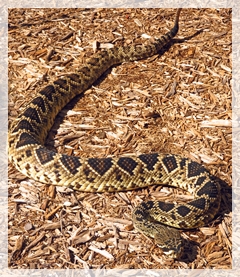
Inspired by Lynn Johnston’s comic strip For Better or for Worse, I’ve been writing about temptation. Yesterday, we left John sadly driving away from the car dealership after test driving his dream sport car. Seeing John’s “lip prints on the hood,” the salesman knew his customer would return and he was right. In the next day’s comic, John has an appointment with the bank and is justifying his decision to buy the car. “If I trade in my sedan,” he rationalizes, “I won’t need a big loan.” Like Satan, the salesman helps John further justify his purchase by assuring him it’s no big deal. In fact, he asserts it’s really no different from when John’s wife goes out and buys herself something at the mall.
In another strip, we find John purchasing a tweed cap, red cashmere scarf and driving gloves, announcing that, “I’m not just buying a car…I’m buying a life style!” When we sin, before we know it, Satan has sold us a new lifestyle. Sooner or later, we discover that new way of life is nowhere near as nice as we thought it would be. In fact, in another comic, we see John starting to have buyer’s remorse when his wife points out that, without his sedan, he’ll have to drive his sporty new convertible all winter long. As Adam and Eve and the Israelites quickly discovered, sinner’s remorse can be much worse than a cold car with no traction in a Canadian snow storm. The first family’s fleeting pleasure from that bite of sweet apple certainly wasn’t worth eviction from Paradise nor were the years of slavery in Babylon what the Israelites envisioned when they worshipped idols.
The story is told of a teacher who asks her Sunday school class what must be done for forgiveness. Little Billy immediately yells out, “First, we gotta sin!” Indeed, the temptation to sin is where our troubles begin and that temptation, like a sports car or flirtation, usually starts out looking like a whole lot of fun. The lesson learned from Lynn Johnston’s series isn’t to stay away from used car lots; it’s to be alert and stay away from Satan’s salesmen! They’re even more aggressive than the top salesperson at the local dealership.
 They were sailing in the Sea of Galilee, a body of water notorious for sudden violent storms. At least four of the disciples were fishermen; did none of them question Jesus about the possibility of squalls or rough waters? Jesus, being God and omniscient, surely knew a storm was brewing and yet He told the men to take the boat across the sea. As the squall came rolling in, the disciples fought the waves. While they frantically reefed the sails and bailed water, Jesus calmly slept on a cushion in the boat’s stern. To the terrified disciples it seemed as if He didn’t care that they were going to drown.


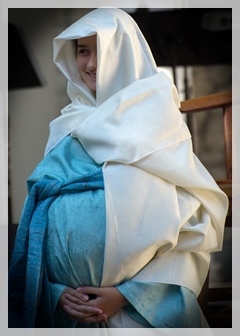 When I was young, back in the 1950s, sex education pretty much consisted of some talk about bees pollinating flowers. Married couples on television didn’t sleep in the same bed and husbands always seemed completely surprised when wives announced a baby was arriving. As a little girl, I naively thought marriage (not intercourse) was what produced babies and that God put babies in a woman’s tummy once she was married.
 As earth’s first gardener, God knew a thing or two about agriculture. Recognizing that continually working a field depletes the soil of valuable nutrients, He commanded the Israelites to let their land remain fallow every seven years. During this yearlong land Sabbath, no produce was to be planted, pruned or harvested and any food that grew by itself, such as grapes or figs, could not be harvested, sold or stored. God promised to grant an abundant crop in the sixth year so there would be plenty of food to carry the people through the Sabbath year and well into the next years until a new crop was harvested. Considered ownerless, the produce that grew by itself could be eaten by anyone or fed to the animals. The Sabbath year was a test of faith; it required the Israelites to acknowledge God as the true master of the land, to trust Him for His provision, and to share with those less fortunate.
 Devotions of the Heart