
Look up at the skies, ponder the earth under your feet. The skies will fade out like smoke, the earth will wear out like work pants, and the people will die off like flies. But my salvation will last forever, my setting-things-right will never be obsolete. [Isaiah 51:6 (MSG)]
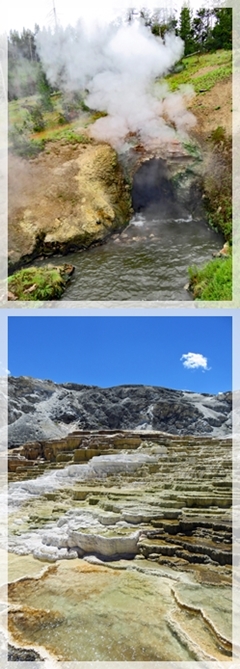
The unstable, ever-changing, and even violent nature of this world in which we live is evident throughout Yellowstone Park. It’s disconcerting to see hot mud shoot out of a cavern, to smell sulphur and feel the hot spray as a geyser erupts, and to stand in the steam and hear the booming belch as water surges out of a hot spring. Yellowstone is actually a super-volcano that last erupted some 640,000 years ago and smaller eruptions of lava have occurred as recently (geologically speaking) as 70,000 years ago. The park is what geologist Robert Smith calls “a living, breathing, shaking, baking, caldera,” and those geothermal wonders that attract visitors are fueled by magma as hot as 1,500 degrees that lies just a few miles beneath the earth’s surface.
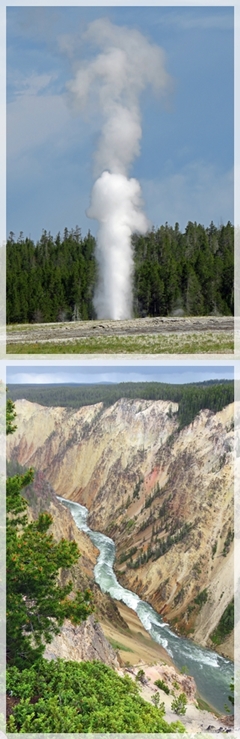
The abundant geothermal activity and the 1,000 to 3,000 small earthquakes that occur there every year mean that the park is always changing. For example, when my husband visited the park as a boy, there was no Quake Lake west of Yellowstone and the Steamboat Geyser had been dormant for nearly fifty years. A massive earthquake in 1959 created the lake and the geyser awoke in 1961. Since then, it’s been erratic in its activity but, after four years of dormancy, it began erupting again in March of this year. Shooting nearly boiling water up 345 feet, it has erupted ten times since then. The travertine terraces of Yellowstone’s Mammoth Hot Springs are like living sculptures and continually change shape as over 500 gallons of hot water are discharged every minute and two tons of calcium carbonate are deposited there every day. Even the beautiful Yellowstone canyon, the result of wind, water and earthquakes, speaks of change as the Yellowstone River continues to erode the bedrock. Fire also has changed the landscape; over 70,000 acres of lush forest that existed when we visited there a few years ago became nothing but charred remains in 2016.
In Yellowstone’s dynamic and unsettled landscape, even the ground around the thermal features is unstable and can collapse. Then again, you don’t need to be in Yellowstone to realize how nature is an unpredictable, ever-changing, and often dangerous force. That Thai soccer team discovered how quickly a dry cave can fill with water in a flash flood, residents on the island of Hawaii saw their lives change in May when Kilauea began erupting and sent lava over the streets and through their neighborhoods. Texans, Floridians, and Puerto Ricans certainly can attest to the power of last year’s hurricanes. Hurricanes, tornadoes, tsunamis, floods, drought, earthquakes, hail, thunderstorms, volcanic eruptions, blizzards, avalanches, sinkholes, lightning and fire: we all are vulnerable to disaster from the changing and volatile nature of this world in which we live.
Yellowstone is a vivid reminder of how the forces of nature can change the world as we know it: rock erodes, mountains crumble, geysers appear and disappear, volcanoes erupt, forests burn and ground can collapse. I take comfort in the knowledge that, while nothing in this world is constant and forever, God remains our everlasting and unchanging bedrock. The same yesterday, today, and forever, He is our firm foundation.
Consider what you owe to His immutability. Though you have changed a thousand times, He has not changed once. [Charles Spurgeon]
 “I don’t do desserts!” my neighbor said. My initial thought was, “Anyone can bake brownies!” As it turns out, my neighbor was absolutely right; a horrible cook, she is proof that not everyone can bake a tray of brownies! Unlike me, however, she has a gift with animals and volunteers at the Conservancy caring for injured wildlife.
 “That’s more like it!” I thought as I read Psalm 47; I certainly preferred it to the curses of the previous set of Psalms I’d read. I’m reading the Bible in chronological rather than in canonical order which means that the various books and chapters have been divided and rearranged. As a result, the psalms of lament and complaint were grouped together during David’s trials and the praise psalms were placed after the chapters outlining the duties in the Temple. These psalms of worship, adoration and thanksgiving seem more appropriate for Israel’s book of hymns than the earlier ones about wickedness, treachery, calamity and vengeance.
 Psalm 139 is one of my favorites among the psalms. As I read it this morning, however, I got annoyed with David. Near the end of this beautiful song praising God for His omniscience, omnipresence, and intensely personal involvement in his life, David throws in a curse on his enemies. Granted, they’re God’s enemies, too, but sometimes David seems incredibly angry and vengeful. After comparing his enemies to deadly snakes, hungry lions, and vicious dogs, among others things, he wants them to dissolve into slime like snails, be cast into the fire, become palsied and blind, and for their wives to become widows and their children fatherless beggars. One Bible commentary said David had a “particularly vigorous attitude toward the enemy,” but wanting to wash his feet in the blood of the wicked sounds merciless and vindictive to me.
 Is virtue its own reward? An article in Psychology Today reporting the conclusions of seven studies found that virtue actually does bring rewards. The benefits of doing the right thing include less depression, better self-esteem, increased happiness, a “helper’s high,” and a good night’s sleep! That good night’s sleep might well be the result of the clean conscience that accompanies virtue. Given the momentum of the #MeToo movement, I suspect many prominent people are losing sleep nowadays. Unfortunately, it’s not just well-known producers, actors, newsmen, ministers and politicians who abandoned virtue for self-interest. Many everyday folk are losing sleep as people continue to step forward and break their silence about wrongs that have been committed.
 Devotions of the Heart