
“Don’t be so sure,” Jesus said. “This very night, before the rooster crows up the dawn, you will deny me three times.” Peter protested, “Even if I had to die with you, I would never deny you.” All the others said the same thing. [Matthew 26:34-35 (MSG)]
 There’s a therapeutic riding center across the highway from one of the churches we attend. Along with horses, barn cat, and dog, they have a rooster. No matter what the time of day we’re there, that rooster crows. Every time I hear that bird’s loud “cock-a-doodle-do!” I remember Jesus’s words to Peter and ask myself, “Have I denied my Lord today?”
I can’t say I blame Peter for his betrayal. He was there when Judas, along with Temple guards and a contingent of Roman soldiers armed with swords and clubs, arrived in Gethsemane. Peter saw them man-handle and arrest Jesus. Peter was the one who impulsively drew his sword and cut off the ear of the high priest’s slave. Although Jesus healed the man, Peter had to be afraid as he stood around the fire with the servants and guards in the high priest’s courtyard. Would he be the next one arrested? His name may have meant “rock,” but his behavior was anything but rock-like that night.
Would I have been braver and more faithful than Peter or would I, too, have denied Christ? I’m ashamed to say that I probably wouldn’t have behaved any better than did Peter. I often deny knowing Jesus, and I’m not even afraid of being arrested. I deny Him when I ignore His call to service, remain silent when I should speak, or speak when I should remain silent. I deny Him when I hold a grudge, withhold forgiveness, judge others, and act prideful, spiteful or self-righteous. I deny Christ when I do what I know is wrong, when I don’t do what should be done, when I accept what I know He wouldn’t, and when I take credit for His gifts to me. Unfortunately, there are many ways we can deny knowing Jesus.
Lord, forgive us for the times we’ve denied being your servant. Fill us with your Holy Spirit so that our denials become affirmations and our lives give testimony to your saving grace.
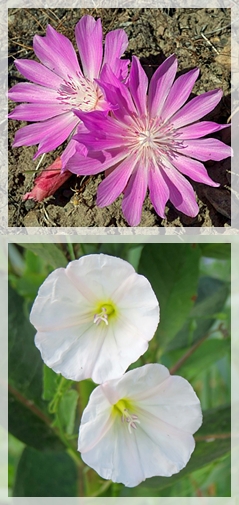 The bitterroot plant was a staple in the Native American diet; just a few ounces of the dried root provided enough nourishment for a meal. Bitterroot could also settle an upset stomach, relieve the itch from poison ivy, and numb the pain of a sore throat. Unlike the bitterroot, however, the root of bitterness is anything but life-sustaining or healing.
 Philemon was a wealthy member and leader of the church in Colossae and Onesimus was his slave. Apparently after stealing from his master, Onesimus ran away and ended up in Rome. After finding his way to the Apostle Paul, who was under house arrest at the time, Onesimus became a Christian. The one page book of Philemon is simply a personal letter to the runaway slave’s owner pleading the man’s case.
 The faithful love of the Lord never ends! His mercies never cease. Great is his faithfulness; his mercies begin afresh each morning. I say to myself, “The Lord is my inheritance; therefore, I will hope in him!” [Lamentations 3:22-24 (NLT)
 This is the message you have heard from the beginning: We should love one another. [1 John 3:11 (NLT)]
 After a brief stay at hospital, we’d brought Gert, my 102-year old mother-in-law, home to die. Although she was a woman of faith, she seemed frightened of the journey that lay ahead of her and kept calling for her mother and father (who’ve been gone for more than half a century). When I shared this with the Hospice nurse, she asked if I’d told her that it was all right to leave. Since Gert was in a state of semi-consciousness, I questioned whether she would understand but the nurse assured me that hearing is the last sense to go.
 Devotions of the Heart