
When he [Barnabas] arrived and saw this evidence of God’s blessing, he was filled with joy, and he encouraged the believers to stay true to the Lord. [Acts 11:23 (NLT)]
One of the most beautiful gifts in the world is the gift of encouragement. When someone encourages you, that person helps you over a threshold you might otherwise never have crossed on your own. [John O’Donohue]
 Nicknames were as common in Biblical days as they are now. Simon’s politics gave him the nickname of Zelotes (the Zealot) and the impetuous behavior of James and John probably earned them the nickname of “Boanerges,” meaning “Sons of Thunder.” While it was Simeon’s dark complexion that gave him the name of “Niger” or “the Black Man,” it was the heartening behavior of Joseph that earned him the nickname of “Barnabas” meaning “Son of Encouragement.”Although our knowledge of Barnabas is limited, we know he was an apostle in the early church who encouraged the Jerusalem church by selling a field and giving it the money. His encouragement, however, wasn’t limited to finances and, without his encouragement, we might not have much of what we call the New Testament.
In spite of Paul’s conversion, his reputation as a persecutor of Christians frightened the apostles and they refused to meet with him. Barnabas became the bridge between the two and he urged the apostles to accept the new convert. It was Barnabas who encouraged Paul to come to the Antioch church where the two spent a year teaching (and encouraging) before departing on Paul’s first missionary journey. Barnabas then encouraged his cousin John Mark to join them on this expedition. When John Mark lost heart and departed, Paul refused to give the deserter another chance. It was Barnabas who encouraged the young man to go with him on another mission while Silas joined Paul. Although both Barnabas and John Mark had differences with Paul, eventually they reconciled and Paul again asked John Mark to join in his ministry.
I thought of Barnabas, the “Son of Encouragement” because my third “Abundance” exercise was to leave a surprise note of encouragement for someone. Coming from the Old French word encoragier, “encourage” means to make strong or hearten: to spur someone on and promote their progress or growth. Without encouragement, a person is like a flower trying to bloom without enough water or fertilizer; neither will reach their full potential. It was with Barnabas’ encouragement that the early church got planted and Paul and John Mark were able to blossom. Without Barnabas’ encouragement, Paul might never have been accepted by the church, taught in Antioch, traveled throughout the Roman Empire to reach Gentiles, or written the thirteen Pauline epistles. Not one to hold a grudge, Barnabas forgave John Mark and encouraged his cousin’s faith by including him on another mission trip. As a result, John Mark, the man who once deserted the Apostle Paul, became known as the Apostle Mark and the author of the gospel that bears his name.
At some point in our lives, we all need words that inspire courage, enthusiasm or confidence; validate, comfort, or console; bring strength, perspective, or hope. Paul told us to “encourage one another and build one another up,” but I wondered how doing that encouraging helps us live richer more abundant lives. To encourage someone, however, we first must appreciate them and it is by appreciating and valuing the people in our lives that we realize how truly rich we are. Barnabas appreciated the potential of both Paul and John Mark even when others didn’t see it. May we all be worthy of being called a Son or Daughter of Encouragement!
Your greatest pleasure is that which rebounds from hearts that you have made glad. [Henry Ward Beecher]
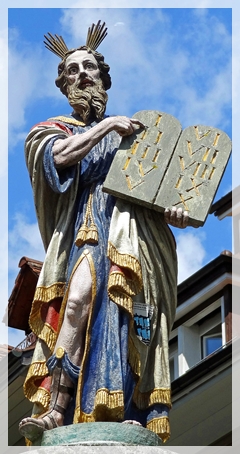 In Scripture, the number forty often appeared in the context of preparation, judgment, or testing. The rain poured down upon Noah for forty days and nights. After spending forty years in Egypt and another forty as a shepherd, Moses twice spent forty days with the Lord on Mt. Sinai. The Israelite scouts spent forty days exploring the land of Canaan and, because the people lost heart and rebelled at their report, they spent an extra forty years wandering the wilderness (one year for each day the men explored). Jonah warned Nineveh their destruction would take place in forty days, Ezekiel lay on his right side for forty days because of Judah’s sins and, before being slain by David, Goliath taunted Saul’s army for forty days.
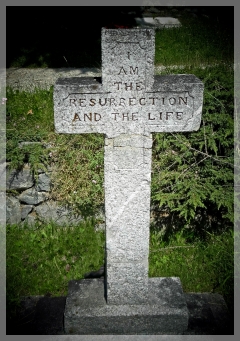 Today is Ash Wednesday and the beginning of the Lenten season. Marking the forty days Jesus spent fasting in the wilderness before beginning His ministry, Lent is a time many believers intentionally reflect on the life of Jesus: his ministry, sacrifice, death, and resurrection. For some Christians, today also starts a season of repentance, fasting, and self-examination.
 In my granddaughter’s ethics class, the question was posed, “Should elected officials be held to a higher standard than the population that elected them?” She maintained that everyone should be held to the same high standard and I agreed. We have no right to hold anyone to a higher standard than the one we keep. I added, however, that having taken on the public’s trust, elected officials have an obligation to hold themselves to the highest standards possible.
 I couldn’t tell if my vague sense of unrest was because something was missing or there was something I needed to do. I couldn’t articulate it but I knew it was there and, as the days went by, the sense of disquiet continued. I simply asked God to reveal whatever was troubling me; perplexed, I didn’t know what else to pray. Fortunately, the Holy Spirit did!
 Instead, be kind to each other, tenderhearted, forgiving one another, just as God through Christ has forgiven you. [Ephesians 4:32 (NLT)]
 Devotions of the Heart