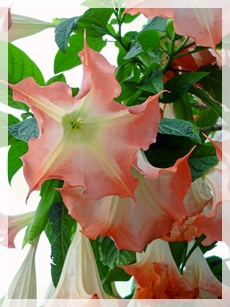
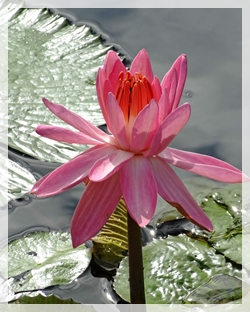
Praise the Lord! Give thanks to the Lord, for he is good! His faithful love endures forever. [Psalm 106:1 (NLT)]
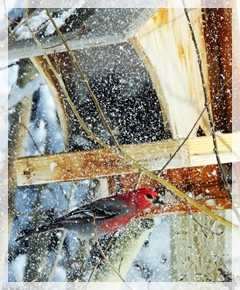 Last week, I started a new gratitude journal and thought back to when I first started keeping such a record of daily blessings. More than fifteen years ago, we were spending the entire winter in our Colorado mountain home. Having had the misfortune of breaking my knee the first day skiing, my outdoor pursuits were over for the season. Watching family and friends hustle out the door each morning, seeing their happy faces upon their return, and listening to them recount the day’s exploits became an invitation to my pity party. During a lonely afternoon, while everyone else was out having fun in the snow, I watched an Oprah show about gratitude. I was clearly in the need of an attitude adjustment so keeping a gratitude journal seemed a good idea. Every night, I listed five things for which I was thankful; some days it wasn’t easy but I kept at it. Later that winter, Oprah and several audience members shared some journal entries. Their entries were long, introspective and weighty while mine, for the most part, were simply a list of ordinary everyday things. People wrote of finding sacred spaces, authentic selves, true paths, and deep spirituality while I’d been grateful for figuring out how to manage the stairs in a multi-level house, chocolate chip cookies, seeing a cardinal on the deck, cable TV, and that the library had the Stephen King novel I wanted to read! My gratitude for pizza delivery, ibuprofen, warm fleece blankets and home-made granola seemed shallow when compared to the philosophic reflections that were shared. Some people had even fashioned beautiful hand-made books while others used handsome leather-bound journals—I was writing in a little appointment book we’d received from our accountant!
At first, I thought I’d done the whole gratitude journal thing wrong but then I was thankful that I hadn’t turned gratitude into work (as it appeared many of those women had). Regardless of the kind of book used or the words chosen, the journal worked its magic. Daily gratitude changed my negative attitude and what could have been a miserable winter became a wonderful one, just not the winter I’d expected. Gratitude journals don’t need to be works of art or literary masterpieces, they just need to be written with a grateful heart.
I’m thankful for Jesus, forgiveness, salvation, love, answered prayers, memories, my family, the Bible, and a host of other things and I thank God daily. My gratitude journal, however, makes me look for specific blessings of each day. Sometimes, my list is deeply introspective but, most of the time, it makes for rather boring reading. I list the ordinary things and events that make each day extraordinary—fireflies, a stranger’s smile, children’s laughter, warm slippers, fresh corn on the cob, rhubarb jam from the farmer’s market, the grosbeak at the feeder, or finding shoes that fit. It really doesn’t take much for me to feel full of gratitude and for that I am thankful!
Most of us live rather simple lives; the people we meet, the things we do, and the places we live are pretty run-of-the mill. Fortunately, life-changing events are few and far between. Just because our days are ordinary, however, doesn’t mean there’s nothing for which to be thankful. Without writing in the journal, there are many small things in my day (like the ninety-eight cent pineapples I got yesterday), that easily would be overlooked. Keeping a gratitude journal reminds me that every day with which I am blessed is a good one! While some days may be better than others, every day brings reasons for thanksgiving.
Heavenly Father, open our eyes to the many simple blessings in our lives. Help us realize that gratitude for the little blessings of life gives us both strength to endure and joy to sustain us during the many troubles and difficulties of life.
It’s not happy people who are thankful, it’s thankful people who are happy. [Anonymous]
This is the day the Lord has made. We will rejoice and be glad in it. [Psalm 118:24 (NLT)]