
You humble yourselves by going through the motions of penance, bowing your heads like reeds bending in the wind. You dress in burlap and cover yourselves with ashes. Is this what you call fasting? Do you really think this will please the Lord? [Isaiah 58:5 (NLT)]
 Traditionally, Lent has been a time for Christians of all denominations to refocus their hearts and minds on God through prayer, fasting and giving. As a way of fasting, many people deny themselves small indulgences, such as soda, candy, or their daily latte at Starbucks, but Lenten fasting isn’t limited to food. Other ways to observe this season include not making any purchases that aren’t absolutely necessary; donating or throwing away forty things during Lent’s forty days; giving up guilty pleasures like People magazine or binge-watching Netflix; refraining from complaint or gossip; not eating out or ordering in; saying three nice things to one’s spouse and children daily; reading the four gospels; doing a weekly service project; setting aside loose change for a charity; or forty days of letter writing, acts of kindness, or phone calls to special people. Some of those, like refraining from gossip or complaint, saying nice things to the family, and Scripture reading shouldn’t be limited to just these forty days!
Last week’s Abundance assignment was to give up something for Lent. Pointing out that Jesus gave up everything for us, it simply asked what we could sacrifice for forty days as a sign of gratitude for His incredible gift. Since this is part of a mission to experience the abundance of the Christian life, I had to ask myself how having less would make me experience more. Of course, if we love Oreos, Five Guys, or Downton Abbey, we will appreciate them all the more when we can indulge in them once again, but there must be more to fasting than that.
Looking at fasting in Scripture, we find that it was never supposed to be mere ritual. Fasting and sacrifice were to be a sincere way of growing closer to God through prayer and repentance. Isaiah wrote of God’s anger at Israel’s superficial fasting that wasn’t accompanied by repentance and the blessing of others. Skipping dessert, abstaining from social media, or not playing FreeCell or Spider on our phones is meaningless if we don’t link our sacrifice with prayer, a change of heart, and the blessing of others. True fasting replaces selfishness with selflessness. Giving up something (be it food, habits, money, possessions or time) should cause us to take our eyes off the things of this world and humbly and joyfully focus them on God. It is only when we look to Jesus that we truly discover the abundance of the Christian life. Whether Christmas or Lent, let us prayerfully remember that Jesus is the reason for the season!
 Nicknames were as common in Biblical days as they are now. Simon’s politics gave him the nickname of Zelotes (the Zealot) and the impetuous behavior of James and John probably earned them the nickname of “Boanerges,” meaning “Sons of Thunder.” While it was Simeon’s dark complexion that gave him the name of “Niger” or “the Black Man,” it was the heartening behavior of Joseph that earned him the nickname of “Barnabas” meaning “Son of Encouragement.”Although our knowledge of Barnabas is limited, we know he was an apostle in the early church who encouraged the Jerusalem church by selling a field and giving it the money. His encouragement, however, wasn’t limited to finances and, without his encouragement, we might not have much of what we call the New Testament.
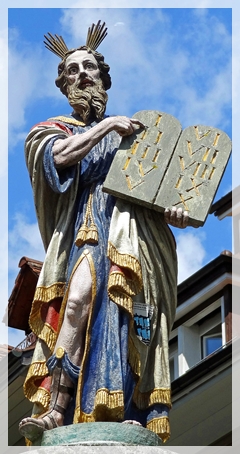 In Scripture, the number forty often appeared in the context of preparation, judgment, or testing. The rain poured down upon Noah for forty days and nights. After spending forty years in Egypt and another forty as a shepherd, Moses twice spent forty days with the Lord on Mt. Sinai. The Israelite scouts spent forty days exploring the land of Canaan and, because the people lost heart and rebelled at their report, they spent an extra forty years wandering the wilderness (one year for each day the men explored). Jonah warned Nineveh their destruction would take place in forty days, Ezekiel lay on his right side for forty days because of Judah’s sins and, before being slain by David, Goliath taunted Saul’s army for forty days.
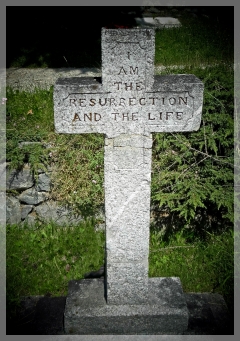 Today is Ash Wednesday and the beginning of the Lenten season. Marking the forty days Jesus spent fasting in the wilderness before beginning His ministry, Lent is a time many believers intentionally reflect on the life of Jesus: his ministry, sacrifice, death, and resurrection. For some Christians, today also starts a season of repentance, fasting, and self-examination.
 In my granddaughter’s ethics class, the question was posed, “Should elected officials be held to a higher standard than the population that elected them?” She maintained that everyone should be held to the same high standard and I agreed. We have no right to hold anyone to a higher standard than the one we keep. I added, however, that having taken on the public’s trust, elected officials have an obligation to hold themselves to the highest standards possible.
 I couldn’t tell if my vague sense of unrest was because something was missing or there was something I needed to do. I couldn’t articulate it but I knew it was there and, as the days went by, the sense of disquiet continued. I simply asked God to reveal whatever was troubling me; perplexed, I didn’t know what else to pray. Fortunately, the Holy Spirit did!
 Devotions of the Heart