
Your eyes saw my unformed body; all the days ordained for me were written in your book before one of them came to be. [Psalm 139:16 (NIV)]
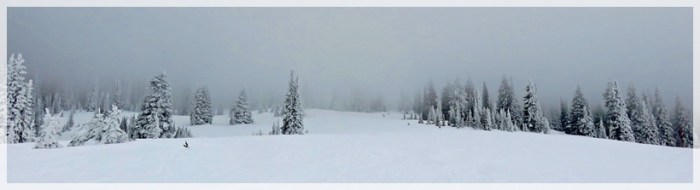
By living in Florida, we’ve escaped the polar vortex and winter’s ice and snow. Regardless of where we live, however, there’s no escaping the winter of our lives. When we roll out of bed with assorted aches, need our cheater specs to read the paper, become intimate friends with ibuprofen, know the day of the week from our pill boxes, and nervously compare our ages with those on the obituary page, it becomes painfully obvious that, while able to flee from winter’s frigid weather, there’s no dodging the winter season of life.
In spite of a few complaints, I’m reasonably content with my winter. I’d never want to give up the confidence, wisdom, peace and perspective that come in this end season of life. Nevertheless, I’m sorry to say farewell to the vitality, enthusiasm and freshness of spring; the beauty, growth and intensity of summer; and the productivity, abundance, and fulfillment of autumn. As rewarding as it is to see my children and grands develop and mature, it saddens me to see the toll those same years have taken on other people I know and love. Winter has been downright cruel to many of them. Sadly, some of those I loved didn’t even make it to this season of appreciated blessings. They never had the opportunity to sit quietly and read to a grand or grow old with the one they loved. There are gaps in my heart where they lived and my memories of them will never quite fill those holes. Nevertheless, I feel blessed to have made it this far.
We thank you, God, for the seasons of life. Help us recognize the beauty and joy of each one. Give us the wisdom and serenity to accept that time passes, changes take place, seasons are unpredictable, heartbreak happens, health is precarious, and farewells are unavoidable. Reconcile us to the transformations that occur in each of life’s seasons. May we always remember that, while everything has a season, there is no one season in which we’ll have everything.
Summer ends, and autumn comes, and he who would have it otherwise would have high tide always and a full moon every night. [Hal Borland]
 As I looked through my basket of Christmas cards, I thought of all the people who have passed through my life. Contained in that basket is a fair amount of sorrow and misfortune—divorce, heart failure, assorted diseases, surgeries (some successful and others not), heartbreak, disappointment, cancer, mental illness, addiction, paralysis, birth defects, financial difficulty, and loss. Yet, within that basket, I also find hope, faith, resilience, peace, joy, perseverance, strength and love. There are children who defied the odds, families facing tremendous challenges with great courage, people who’ve forgiven the unforgiveable, widows and widowers meeting their new normal with confidence, hurt people determined to heal, caregivers finding strength to continue when many would quit, parents prayerfully waiting for prodigals to return, and people who can still laugh in the face of adversity.
 As earth’s first gardener, God knew a thing or two about agriculture. Recognizing that continually working a field depletes the soil of valuable nutrients, He commanded the Israelites to let their land remain fallow every seven years. During this yearlong land Sabbath, no produce was to be planted, pruned or harvested and any food that grew by itself, such as grapes or figs, could not be harvested, sold or stored. God promised to grant an abundant crop in the sixth year so there would be plenty of food to carry the people through the Sabbath year and well into the next years until a new crop was harvested. Considered ownerless, the produce that grew by itself could be eaten by anyone or fed to the animals. The Sabbath year was a test of faith; it required the Israelites to acknowledge God as the true master of the land, to trust Him for His provision, and to share with those less fortunate.
 O Lord, hear me praying; listen to my plea, O God my King, for I will never pray to anyone but you. Each morning I will look to you in heaven and lay my requests before you, praying earnestly. [Psalm 5:1-3 (TLB)]
 I admit to having left some church services feeling like I just “mailed it in” and that’s not the way to worship our wonderful glorious God. It’s been said that familiarity breeds contempt. In the case of familiar gospels, epistles, songs and liturgy, while familiarity may not breed contempt it may breed boredom. We’ve listened to the Benediction, Consecration or Absolution so often that we don’t even hear them and we’ve said the Lord’s Prayer, recited the Apostle’s Creed, or sung certain hymns so many times that the words exit our mouths without needing to pass through our hearts or minds.
 Devotions of the Heart