
Anyone who isn’t with me opposes me, and anyone who isn’t working with me is actually working against me. [Matthew 12:30 (NLT)]
The Gospel is of such a nature, as to its offers and its claims, that it cannot tolerate indifference. [John Broadus]

I often say my daughter is our family’s Switzerland. If a dispute should occur between family members, while she is a sympathetic listener and wise advisor, like Switzerland, she remains neutral. Although staying impartial about certain issues is possible (and prudent when it involves family), there can be no neutral territory when it comes to Jesus.
We can be indifferent as to who wins the ball game, unsure of an explanation, apathetic toward a cause, impartial when it comes to a spat between our children, undecided about a candidate, and neutral about where we go for dinner but we can’t be wishy-washy when it comes to God! If we’re not fully for Him, we’re opposing Him. We can’t stay in Switzerland when it comes to believing in Jesus!
Indecision about some things carries serious risks. That was demonstrated last month when TikTok star Megan Alexandra Blankenbiller posted her final video from her hospital bed. As she struggled to catch her breath, Blankenbiller pleaded with her followers to get vaccinated against COVID-19. Rather than being anti-vax, she just hadn’t made up her mind about the vaccine. “It was a mistake,” she admitted while adding, “I shouldn’t have waited.” Nine days later the 31-year-old died. The previous month, an Alabama doctor urged the undecided to get their COVID-19 vaccine shots. In a Facebook post, Dr. Brytney Cobia wrote about her once healthy young patients who suffered from serious COVID-19 complications. “One of the last things they do before they’re intubated is beg me for the vaccine. I hold their hand and tell them that I’m sorry, but it’s too late.”
Even though it’s too late for people to get vaccinated once they’re infected, as long as people have breath in their bodies, it’s never too late to decide about Christ! That day on Calvary, as the unbelieving criminal hung beside Jesus, he mocked our Lord one minute and then professed belief in Him the next. Because Jesus assured him that, “Today you will be with me in paradise,” we know that last minute conversions are possible. Nevertheless, it’s not a smart idea to wait until the last minute. After all, people who wait until the 11th hour to repent might die at 10:30! St. Augustine said, “God has promised forgiveness to your repentance, but He has not promised tomorrow to your procrastination.” While the choice we make about a vaccine will not affect how we spend eternity, the choice we make about Jesus will!
Deathbed repentance is burning the candle of life in the service of the devil, and then blowing the smoke into the face of God. [Billy Sunday]

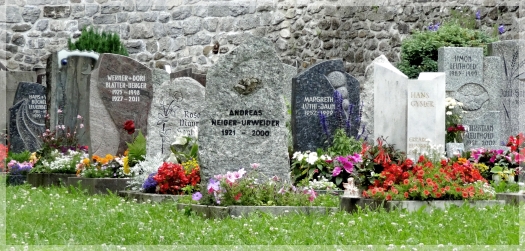 Many of the younger generation don’t know that yesterday’s Memorial Day originally was called Decoration Day and originated in the years following the Civil War. With some 620,000 dead from that conflict, communities began holding tributes to the fallen soldiers by reciting prayers and decorating their graves with flowers, flags and wreaths. The practice of leaving flowers at gravesites may have begun with the ancient Greeks who believed that, if the flowers took root and grew, the fallen had found peace or happiness in the afterlife.
 Jesus’ Parable of Two Men Who Prayed contrasts pride with humility, self-righteousness with repentance, and how not to pray with how to pray. In it, both Pharisee and publican (tax collector) go to pray in the Temple. The Pharisee boldly thanks God that he’s not a sinner like everyone else and then self-righteously singles out the sinful publican. Then, just to make sure God understands how good he really is, the man brags of his tithing; rather than giving a tenth of what he earns, he tithes a tenth of all that he acquires. Even though fasting was only required on the Day of Atonement, Pharisees fasted on Mondays and Thursdays as well, so the self-satisfied man finishes his prayer by boasting of his twice weekly fasts.
 Hamartia is the word most frequently used in the New Testament for sin. Originally an archery term that meant missing the target when hunting with a bow, hamartia came to mean missing or falling short of a goal, purpose or standard. In Scripture, it conveys the idea of missing God’s perfect standard of what is righteous.
 Devotions of the Heart