
Here is a simple rule of thumb for behavior: Ask yourself what you want people to do for you; then grab the initiative and do it for them! [Luke 6:31 (MSG)]
 Years ago I took a short class in genealogy research. One of the first things told to us was that we were obligated to share any information we discovered with the rest of the genealogy community. Genealogy research depends on the results of other people’s searches of sources like birth and death records, cemeteries, census results and newspapers. We simply owe it to those who led us to our findings to share our knowledge with those who follow in our footsteps. I thought of that class as I wrote yesterday’s devotion about offering thanks.
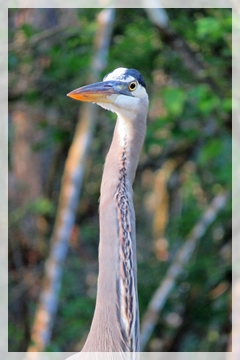
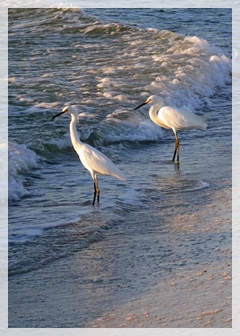
A few years ago I wouldn’t have been any use at all to those people we helped at the swamp. I knew next to nothing about any of the birds in southwest Florida or where to find them. I’m still a rookie birder and most of my avian knowledge is limited to the shore and wading birds. Nevertheless, thanks to the people who generously shared their knowledge with me—who so willingly pointed out birds, identified species, answered my questions, and explained their behavior—I can now help others who are even less knowledgeable than am I. As for that off-the beaten-track conservation area, the only reason we knew about it is that someone kindly shared his knowledge of it with us.
Both the genealogy information and bird lore I’ve received were given to me gratis. There was no quid pro quo—I gave nothing (but my thanks) in exchange for what was given me. It was shared out of kindness with no expectation of repayment—a little like God’s grace. We can never pay the deeper debt we owe to God for all of His goodness. Any attempt to repay Him is a contradiction of grace because grace wouldn’t be grace if it could be repaid. Just because it can’t be repaid, however, doesn’t mean it can’t be spread around. The Golden Rule tells us to do to others as we would have done to us and then I think of Jesus washing the disciple’s feet. He humbled himself to serve them and told the disciples that they must do for others what He had done for them. We must do for others that which has been freely done for us. Whether it is the giving of knowledge, service, skill, assistance, forgiveness or love, the good things that have been done for us are not ours to keep—they are ours to share. When doors are opened for us (both literally and figuratively), we are obligated to open doors for others.
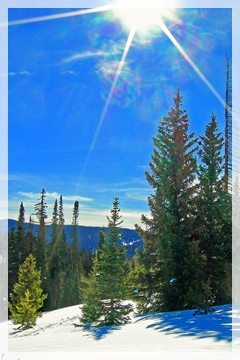 I emailed a friend to ask about her winter and got one of those bad news/good news answers! Her husband suffered a compression fracture in his back, had a heart attack, and underwent surgery. A blizzard then deposited ten-inches of snow in their driveway! The good news was that my friend was blessed by a young man who volunteered to shovel their snow all winter as his “outreach to the elderly.” While I was struck by the man’s kindness, what really disconcerted me was that my friends and I have apparently moved into what is considered the realm of the elderly!
 We’d purchased a gift card at a grocery store for someone in serious financial straits and started talking about her, wondering how she got so deep in debt. A lot of unwise decisions combined with the loss of employment and topped off by major health issues was the answer. We then reminded ourselves that our task is not to analyze the hows, whys, could haves and shouldn’t haves of her or anyone else’s life—our task is simply to lay some love on our neighbors.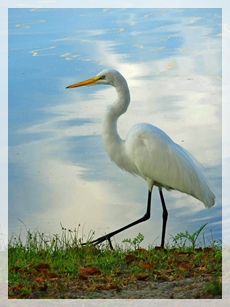
 As earth’s first gardener, God knew a thing or two about agriculture. Recognizing that continually working a field depletes the soil of valuable nutrients, He commanded the Israelites to let their land remain fallow every seven years. During this yearlong land Sabbath, no produce was to be planted, pruned or harvested and any food that grew by itself, such as grapes or figs, could not be harvested, sold or stored. God promised to grant an abundant crop in the sixth year so there would be plenty of food to carry the people through the Sabbath year and well into the next years until a new crop was harvested. Considered ownerless, the produce that grew by itself could be eaten by anyone or fed to the animals. The Sabbath year was a test of faith; it required the Israelites to acknowledge God as the true master of the land, to trust Him for His provision, and to share with those less fortunate.
 Devotions of the Heart