
So they took branches of palm trees and went out to meet him, crying out, “Hosanna! Blessed is he who comes in the name of the Lord, even the King of Israel!” [John 12:13 (ESV)]
 It was the week before the Passover and Jerusalem was teeming with pilgrims who’d come for the celebration. News of the rabbi who’d brought Lazarus back to life was spreading through the crowd. As the people prepared to celebrate their deliverance from slavery in Egypt, they hoped for the promised Messiah who would deliver them from the tyranny of Rome. Could Jesus be the one to do that?
Jesus rode into the city on a donkey as the people waved palm branches, a traditional symbol of victory for the Israelites. As they had done years earlier when Jehu was declared king, the people laid their cloaks on the ground in front of Him. Sort of like laying out a red carpet for royalty, this certainly wasn’t the typical way a rabbi was greeted; it was the way a conqueror or king was welcomed. Indeed, Jesus was both conqueror and king, but the people didn’t understand what He’d conquer or that His kingdom extended far beyond Judea.
There were shouts of “Hosanna!” from the crowd. Not a word we use today, “hosanna” is a transliteration of the Hebrew word, hoshi’a na. A combination of yasha, meaning to save or deliver, and annah, meaning to beg or beseech, David used those two words together in Psalm 118:25 when he said, “Save us, we beseech thee, O Lord! O Lord, we beseech thee …” Originally, hoshi’a na was a call of distress. It was an appeal for deliverance much like “Help me!” or “I beg you to save me!” Over the centuries, however, hoshi’a na was also used as an expression of joy and praise for deliverance. For example, one might shout “Hosanna!” if they fell out of a boat into the raging sea but they also could shout it when saved and pulled back into the boat! Both plea and praise in one word, those shouts of “Hosanna” tell us the people wanted to be saved and saw the promise of deliverance in Jesus.
The crowd rightly shouted “Hosanna!” but for all the wrong reasons. Seeking deliverance from the tyranny of the Roman Empire rather than the tyranny of sin, they saw a champion who would free them from Rome’s rule, not Satan’s. They wanted a mighty warrior who would conquer Rome, not one who would conquer death! Preferring to kill their enemies than love them, they sought revenge for their oppression, not a Prince of Peace who preached forgiveness and prayer for one’s enemies. They wanted a king who would establish a new kingdom on earth, not the Kingdom of God. Their shouts of deliverance were because they wanted a messiah on their terms, not God’s.
The people shouting and waving their palm branches on the streets of Jerusalem that day didn’t understand, but we do! Let us continue to sing our “Hosannas” in praise and thanksgiving for our deliverance—not just this coming Sunday, but every day of our lives!
All glory, laud, and honor, to thee, Redeemer, King, to whom the lips of children made sweet hosannas ring. [All Glory, Laud, and Honor (Theodulph of Orleans/tr. John Mason Neale)]
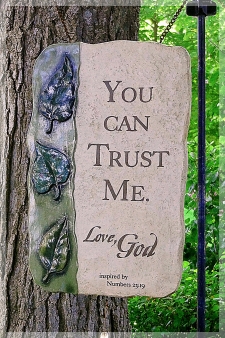 The Israelites were camped on the east side of the Jordan River, in view of Canaan, when Moses addressed them. After spending the last forty years as nomads in the wilderness of the Sinai Peninsula, can you imagine their excitement at the thought of finally having a place to call their own and their eagerness for a new beginning in a new land? There must have been some apprehension, as well. They weren’t naïve; they knew there would be conflict, battles, and even loss before Canaan was conquered.
 I imagine the shepherds probably were more concerned with making it through the night warm, safe, and without losing any sheep than they were with the eventual arrival of the promised Messiah. They certainly never expected an angel to appear to announce His birth nor did they anticipate a host of angels singing God’s praises. Nevertheless, it was shepherds who received the good news that a child was born—a child who would be their Savior, Messiah, and Lord.
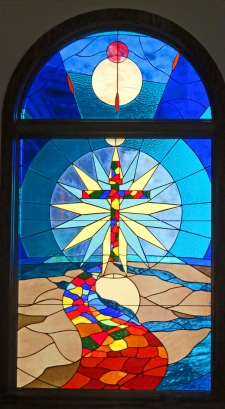 In the first Advent, Jesus came as a suffering servant in a manger. In His second Advent, Jesus will return in righteousness as the conquering King who makes all things right. His return means the final destruction of sin, injustice, hate, disease, death, decay and evil. Our God, however, is one of both mercy and judgement and Malachi’s promise of the Messiah included a warning about the coming day of judgment.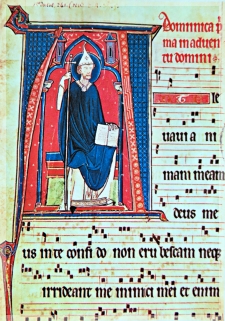
 Devotions of the Heart