

Your eyes saw my unformed body; all the days ordained for me were written in your book before one of them came to be. [Psalm 139:16 (NIV)]
By living in Florida, we’ve escaped the polar vortex and winter’s ice and snow. Regardless of where we live, however, there’s no escaping the winter of our lives. When we roll out of bed with assorted aches, need our cheater specs to read the paper, become intimate friends with ibuprofen, know the day of the week from our pill boxes, and nervously compare our ages with those on the obituary page, it becomes painfully obvious that, while able to flee from winter’s frigid weather, there’s no dodging the winter season of life.
In spite of a few complaints, I’m reasonably content with my winter. I’d never want to give up the confidence, wisdom, peace and perspective that come in this end season of life. Nevertheless, I’m sorry to say farewell to the vitality, enthusiasm and freshness of spring; the beauty, growth and intensity of summer; and the productivity, abundance, and fulfillment of autumn. As rewarding as it is to see my children and grands develop and mature, it saddens me to see the toll those same years have taken on other people I know and love. Winter has been downright cruel to many of them. Sadly, some of those I loved didn’t even make it to this season of appreciated blessings. They never had the opportunity to sit quietly and read to a grand or grow old with the one they loved. There are gaps in my heart where they lived and my memories of them will never quite fill those holes. Nevertheless, I feel blessed to have made it this far.
We thank you, God, for the seasons of life. Help us recognize the beauty and joy of each one. Give us the wisdom and serenity to accept that time passes, changes take place, seasons are unpredictable, heartbreak happens, health is precarious, and farewells are unavoidable. Reconcile us to the transformations that occur in each of life’s seasons. May we always remember that, while everything has a season, there is no one season in which we’ll have everything.
Summer ends, and autumn comes, and he who would have it otherwise would have high tide always and a full moon every night. [Hal Borland]
 As I looked through my basket of Christmas cards, I thought of all the people who have passed through my life. Contained in that basket is a fair amount of sorrow and misfortune—divorce, heart failure, assorted diseases, surgeries (some successful and others not), heartbreak, disappointment, cancer, mental illness, addiction, paralysis, birth defects, financial difficulty, and loss. Yet, within that basket, I also find hope, faith, resilience, peace, joy, perseverance, strength and love. There are children who defied the odds, families facing tremendous challenges with great courage, people who’ve forgiven the unforgiveable, widows and widowers meeting their new normal with confidence, hurt people determined to heal, caregivers finding strength to continue when many would quit, parents prayerfully waiting for prodigals to return, and people who can still laugh in the face of adversity.
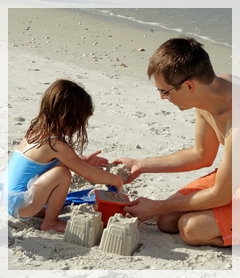 It was well past midnight when I finally rolled into bed. Barely able to keep my eyes open, I reached over to read my evening’s meditation. How we choose to spend our time was the topic and the author wrote of the futility of building sandcastles that would be washed away in the tide. “It all may seem worthwhile, but in the end it’s worthless,” were his words. Since I’d just spent countless hours working on line to create a photo book for my mother-in-law, I stopped reading and moaned, “Oh Lord, was this project a sandcastle? Is the book not worthy of the hours I spent creating it?” I’d neglected my writing to finish this project and now the words I was reading filled me with self-reproach. Had I wasted precious time? I knew the book wouldn’t disappear with the tide but would it be appreciated? Perhaps it would be read and forgotten or maybe never even seen. After all, my mother-in-law is 100 years old and her clock is winding down. There was always the possibility that, by the time was book was printed and shipped, it would arrive after she departed! I started thinking of all the other more important or worthy things I could have done with those many hours.
 Hoping to get a good cardio workout, I’d ramped up the resistance and programmed the machine for a variety of hills, some of which were real killers. Whenever I glanced down at the screen, I groaned at what lay ahead of me. No matter where I was in the program, I was already looking ahead and dreading the next big challenge. Every time I looked at the timer, I lamented the length of time remaining for this self-inflicted torture. After placing my towel over the screen, the workout seemed easier. No longer able to see the hills or time remaining, I stopped dreading the next challenge and the ones after that. I just pumped away, secure in the knowledge that, eventually, my workout would be over.
 “Like sands through the hourglass, so are the days of our lives,” goes the introduction to the NBC soap opera Days of Our Lives. Since that show has aired more than 13,000 episodes since 1965, something tells me the show’s hourglass has been flipped over several times. While that hourglass keeps getting turned, the hourglass that numbers the days of our lives is glued to the table—once the sand runs through to the other side, it’s all over. Moreover, none of us have any idea how large our individual hourglass happens to be. The days of our lives are both finite and unknown.
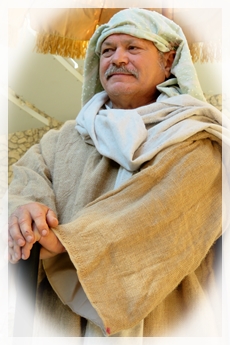 That night there were shepherds staying in the fields nearby, guarding their flocks of sheep. Suddenly, an angel of the Lord appeared among them, and the radiance of the Lord’s glory surrounded them. They were terrified, but the angel reassured them. “Don’t be afraid!” he said. “I bring you good news that will bring great joy to all people. The Savior—yes, the Messiah, the Lord—has been born today in Bethlehem, the city of David! And you will recognize him by this sign: You will find a baby wrapped snugly in strips of cloth, lying in a manger.” [Luke 2:7-12 (NLT)]
 Devotions of the Heart