
“The people of Judah have sinned before my very eyes,” says the Lord. “They have set up their abominable idols right in the Temple that bears my name, defiling it.” [Jeremiah 7:30 (NLT)]
 The Levites (descendants of Jacob’s son Levi) were set aside for religious service. While all priests were Levites, not all Levites were priests. The most sacred tasks, like offering the sacrifices and conducting ceremonies, were reserved for the priests (kohanim) who were descendants of Aaron; the rest of the Levites supported the priests in their duties.
The Levites were not meek men. It was Levi and his brother Simeon who killed all the men of Shechem in retaliation for the rape of their sister. After the Israelites worshipped the golden calf, it was the Levites who gathered at Moses’ side. At his command, they slaughtered 3,000 of their fellow Israelites for their idolatry. [Exodus 32:26,28] Hardly what we’d think of as typical church workers, the Levites were a tribe of warriors.
In the last year of David’s reign, he gathered 38,000 Levite men and assigned them their duties. The first group oversaw the work of the house of the Lord. This included Aaron’s descendants who acted as priests while other Levites acted as caretakers, baked the sacred bread, checked weights and measures, and assisted the priests. Acting as officers, judges, and administrative officials, a second group of Levites were given duties away from the temple. A third group of Levites served as the Temple’s musicians and singers. As the gatekeepers, a fourth group of Levites guarded the Temple and its treasures and protected the it from theft, desecration, and impurity. On a rotating basis, they spent the night at the Temple safeguarding its treasures and then opened the Temple in the morning. No one, not even the king, was allowed to defile the temple.
Nevertheless, during the reign of Solomon’s son Rehoboam, King Shishak of Egypt carried off the temple’s treasures. 50 years after that, Judah’s King Asa sent what was left of the Temple’s riches to the King of Aram as tribute. Less than 40 years later, during Queen Athaliah’s reign, the temple was ransacked by her followers and parts of it were used to build a temple to Baal. About 100 years after that, King Ahaz presented temple treasures to the king of Assyria, moved the original bronze altar, replaced it with a replica of an Assyrian altar, and made offerings to the gods of Damascus. By the time of King Hezekiah (716-687 BC), people were worshipping the bronze serpent made by Moses. Although Hezekiah destroyed the serpent and had the Levites purify the Temple, his son, King Manasseh, desecrated the temple by erecting an Asherah pole and altars for star worship. By the time Josiah became king 75 years later, the Temple had fallen into disrepair, Baal and Asherah were worshipped there, the Ark had been removed, and the book of the law had been misplaced. Josiah again cleansed the temple but his reforms did not last and both the Temple and nation were defiled by sin.
Where were the gatekeepers and what were the rest of the Levites doing during 300 years of Temple sacrilege? They were the ancient version of pastors, elders, deacons, assistants, choir members, worship leaders, custodians, repairmen, security team, and church councils. While a few Levite prophets spoke in condemnation of the various abominations, other than their rebellion against Queen Athaliah, the Levites’ silence and apparent compliance throughout the books of Kings and Chronicles is reprehensible. What happened?
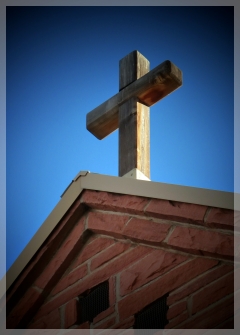
Today’s temple of God is Christ’s church and, sadly, His temple continues to be violated. Rather than Asherah poles and images of Baal, today’s defilement is far more subtle. It includes things like sexual exploitation, abuse of power, cover-ups, misuse of funds, false doctrine, hypocrisy, ignoring sin, putting numbers before discipleship or entertainment before worship, seeking financial gain rather than the glory of God, neglecting the call to service, replacing the gospel with pop psychology and feel good messages, overlooking malicious behavior, following personality rather than Christ, neglecting the sacraments, and allowing prayer or Bible study to be an afterthought. Nowadays, it’s not just the Levites who have been called to guard the gates of Christ’s church and protect its sanctity. As a part of the body of Christ, we all are called to keep His Church from being defiled, misused, or corrupted.
For the most part, the Levites silently stood by as they saw God’s temple being defiled. Let us never make the same mistake.
 Evil is anything that contradicts the nature of God and it’s easy to see Satan’s presence in malevolent acts like terrorism, genocide, slavery, torture, and human trafficking. The enemy, however, is usually far more subtle. Evil also includes things like anger, pride, fretfulness, immorality, pettiness, selfishness, deceit, envy, spite, unforgiveness, hatred, hypocrisy, envy, jealousy, greed, and unkindness. Although we’re more likely to find them in our hearts than genocide or murder, they’re not as easy to recognize. Because it’s easier to see the evil done by others than it is to face the evil in our hearts, we don’t spot Satan when he comes slithering into our lives.
 Angels taking on bodily form and appearing to people certainly wasn’t an everyday occurrence. Although they are God’s messengers, the message angels bring can be good news or bad. While they may help God’s people as they did for Elijah and Daniel, angels also execute God’s judgment as they did when striking down the firstborn males in Egypt. I suspect Gabriel looked fiercer and more powerful than the elegant sweet angels hanging on our Christmas trees. When he arrived unannounced in the empty Temple sanctuary, Zechariah was overwhelmed with fear and, when he suddenly appeared in an empty room in Nazareth, Mary was troubled and perplexed. Not knowing whether he was on a mission of judgment or mercy, it’s no wonder both Zechariah and Mary were fearful. Gabriel began his visits by telling them both not to be afraid.
 Devotions of the Heart