
Teach us to realize the brevity of life, so that we may grow in wisdom. [Psalm 90:12 (NLT)]

Although its origin is unclear, the term “kick the bucket” as a figure of speech for dying has been in use since 1785 when it appeared in the Classical Dictionary of the Vulgar Tongue. The term “bucket list,” however, is far more recent. Meaning a list of things a person wants to do, learn or experience before he dies, it seems to have originated with the 2007 film, The Bucket List, written by Justin Zackham. His list of “Things to Do Before I Kick the Bucket” (later shortened to “Justin’s Bucket List”) included having a screenplay produced by a major Hollywood studio. Wondering what a bucket list would look like if someone had a brief time left in which to live, he wrote a screenplay about two terminally ill men who go on a road trip with a bucket list of activities to do before their deaths. The term “bucket list” was born and Zackham checked off an item on his own list!
“What’s on your bucket list? What would you do if you only had a short time left to live?” asked our neighbor over dinner the other night. I know one man whose immediate answer would be, “Start smoking again!” but I had no answer. In actuality, a Christian doesn’t need a bucket list because this is not the only life we’ll live. Someday, we’ll live in bodies made new in a world made new—one without suffering or sin. For a Christian, death doesn’t end our adventure—it begins it!
Nevertheless, I continued to ponder my neighbor’s question but failed to come up with a decisive list of adventures I must have. It’s not that I’ve lived a life full of fabulous travel and daring activities. There are many things I haven’t experienced but, if I had just a few months to live, I wouldn’t spend them visiting exotic locations or experiencing thrills. After spending an hour or so straightening my drawers and closets (so no one would know what a secret slob I am), I wouldn’t spend another minute cleaning, travelling, or looking for excitement. My remaining time would be spent doing pretty much the same things I do every day but with family and friends nearby instead of thousands of miles distant. We’d laugh, play silly games, bake cookies and brownies, hug, watch the men grill, eat way too much, watch sunsets, have water fights in the pool, play in the park, talk late into the night, and dance to Y.M.C.A.!
When facing imminent death, my regrets wouldn’t be about places unseen or thrills not experienced. They would be for time wasted being angry, hurt, critical, dissatisfied, argumentative, offended, resentful, pessimistic, grumpy, surfing the Internet, or being “too busy”—time that could (and should) have been invested in being forgiving, loving, compassionate, generous, positive, helpful, understanding, joyful, pleasant, peaceful, and present.
We all know we’re going to die and yet I wonder if we truly believe it. If we did, I suspect we’d spend less time dreaming about seeing the Great Wall of China, trekking to Machu Pichu, whale watching in Antarctica, or going skydiving and more time tending to what really is important—expressing thanks, making apologies, loving openly, giving generously, forgiving freely, laughing loudly, living the life we have right now with our loved ones, and being the person God wants us to be.
For all any of us know, we may have even less than a month in which to live. Will we waste it or wisely use whatever time is left?
Live so that when the final summons comes you will leave something more behind you than an epitaph on a tombstone or an obituary in a newspaper. [Billy Sunday]
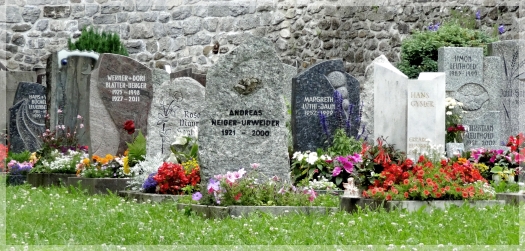 Many of the younger generation don’t know that yesterday’s Memorial Day originally was called Decoration Day and originated in the years following the Civil War. With some 620,000 dead from that conflict, communities began holding tributes to the fallen soldiers by reciting prayers and decorating their graves with flowers, flags and wreaths. The practice of leaving flowers at gravesites may have begun with the ancient Greeks who believed that, if the flowers took root and grew, the fallen had found peace or happiness in the afterlife.
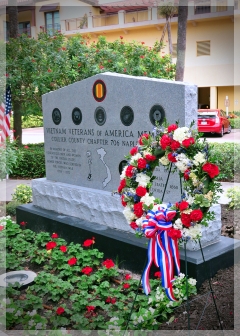 Contrary to popular belief, the purpose of our long holiday weekend is not to celebrate the end of school or the beginning of summer. More than a day for picnics and play, this is a day to honor those men and women who died while serving our country. Just as we stop to give thanks for our nation’s blessings on Thanksgiving, Memorial Day is the time we should stop to give thanks for the people who sacrificed their lives to makes those blessings possible.

 While the accounts of the anointing of Jesus’ feet in Luke 7:36-50 and John 12:1-8 are similar, they are different events and different people were involved. Luke tells of an unnamed woman and John tells of Mary of Bethany. Although both women wiped Jesus’ feet with their hair, the unnamed woman, a notorious sinner, was an uninvited and unwelcome guest in the Pharisee’s home. Mary was a well-respected and devout friend of Jesus and welcome in her sister’s house. Pharisees were present at one and Christ’s disciples at the other. Where the Pharisees saw a sinful woman’s bad character, Jesus only saw a repentant sinner. Where the disciples saw an extravagant waste of money, Jesus saw a woman who offered a gift of love. He defended one woman’s actions by pointing out that she’d done what His host had failed to do. He defended the other woman’s extravagance by reminding his disciples that she was preparing Him for burial.
 Devotions of the Heart