
Teach us to realize the brevity of life, so that we may grow in wisdom. [Psalm 90:12 (NLT)]
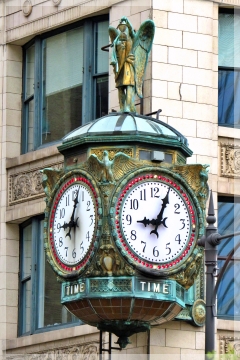
Although its origin is unclear, the term “kick the bucket” as a figure of speech for dying has been in use since 1785 when it appeared in the Classical Dictionary of the Vulgar Tongue. The term “bucket list,” however, is far more recent. Meaning a list of things a person wants to do, learn or experience before he dies, it seems to have originated with the 2007 film, The Bucket List, written by Justin Zackham. His list of “Things to Do Before I Kick the Bucket” (later shortened to “Justin’s Bucket List”) included having a screenplay produced by a major Hollywood studio. Wondering what a bucket list would look like if someone had a brief time left in which to live, he wrote a screenplay about two terminally ill men who go on a road trip with a bucket list of activities to do before their deaths. The term “bucket list” was born and Zackham checked off an item on his own list!
“What’s on your bucket list? What would you do if you only had a short time left to live?” asked our neighbor over dinner the other night. I know one man whose immediate answer would be, “Start smoking again!” but I had no answer. In actuality, a Christian doesn’t need a bucket list because this is not the only life we’ll live. Someday, we’ll live in bodies made new in a world made new—one without suffering or sin. For a Christian, death doesn’t end our adventure—it begins it!
Nevertheless, I continued to ponder my neighbor’s question but failed to come up with a decisive list of adventures I must have. It’s not that I’ve lived a life full of fabulous travel and daring activities. There are many things I haven’t experienced but, if I had just a few months to live, I wouldn’t spend them visiting exotic locations or experiencing thrills. After spending an hour or so straightening my drawers and closets (so no one would know what a secret slob I am), I wouldn’t spend another minute cleaning, travelling, or looking for excitement. My remaining time would be spent doing pretty much the same things I do every day but with family and friends nearby instead of thousands of miles distant. We’d laugh, play silly games, bake cookies and brownies, hug, watch the men grill, eat way too much, watch sunsets, have water fights in the pool, play in the park, talk late into the night, and dance to Y.M.C.A.!
When facing imminent death, my regrets wouldn’t be about places unseen or thrills not experienced. They would be for time wasted being angry, hurt, critical, dissatisfied, argumentative, offended, resentful, pessimistic, grumpy, surfing the Internet, or being “too busy”—time that could (and should) have been invested in being forgiving, loving, compassionate, generous, positive, helpful, understanding, joyful, pleasant, peaceful, and present.
We all know we’re going to die and yet I wonder if we truly believe it. If we did, I suspect we’d spend less time dreaming about seeing the Great Wall of China, trekking to Machu Pichu, whale watching in Antarctica, or going skydiving and more time tending to what really is important—expressing thanks, making apologies, loving openly, giving generously, forgiving freely, laughing loudly, living the life we have right now with our loved ones, and being the person God wants us to be.
For all any of us know, we may have even less than a month in which to live. Will we waste it or wisely use whatever time is left?
Live so that when the final summons comes you will leave something more behind you than an epitaph on a tombstone or an obituary in a newspaper. [Billy Sunday]
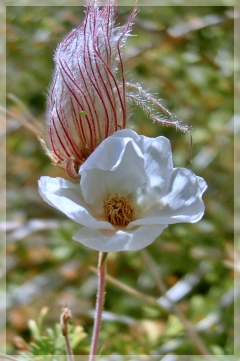 There is a funny scene in the movie When Harry Met Sally when, in the middle of a delicatessen, Sally proves to Harry that women can successfully fake being in the throes of passion. After a rather loud and vivid demonstration, Sally calmly returns to her meal. After watching Sally’s display of ecstasy, an older woman tells her waiter, “I’ll have what she’s having!” While it may be possible to fool people about a number of things, we can’t fool God. He looks beyond appearances right into our hearts.
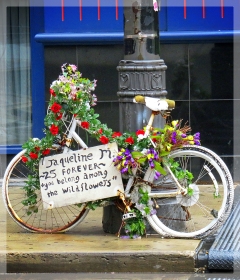
 Many of the younger generation don’t know that yesterday’s Memorial Day originally was called Decoration Day and originated in the years following the Civil War. With some 620,000 dead from that conflict, communities began holding tributes to the fallen soldiers by reciting prayers and decorating their graves with flowers, flags and wreaths. The practice of leaving flowers at gravesites may have begun with the ancient Greeks who believed that, if the flowers took root and grew, the fallen had found peace or happiness in the afterlife.
 Yet God has made everything beautiful for its own time. He has planted eternity in the human heart, but even so, people cannot see the whole scope of God’s work from beginning to end. [Ecclesiastes 3:11 (NLT)]
 It’s often said that there are no atheists in foxholes. This maxim traces its beginnings back to 1914 and World War 1 when an English newspaper quoted a chaplain at a memorial service for a fallen soldier: “Tell the Territorials and soldiers at home that they must know God before they come to the front if they would face what lies before them. We have no atheists in the trenches. Men are not ashamed to say that, though they never prayed before, they pray now with all their hearts.” When we joined our northern church, it was during the Viet Nam War. I remember a young man in our new member class who’d drawn a low number in the draft lottery. Expecting to be in combat within the year, he confessed wanting to “get right” with God before that time came. Apparently, even the threat of a foxhole is enough to cause some people to rethink their relationship with the Almighty.
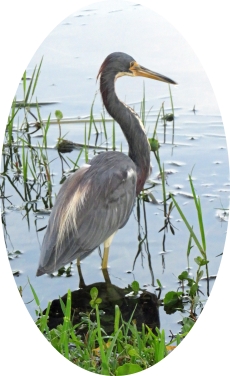 The Synsepalum dulcificum is a West African fruit better known as the “taste berry” or “miracle fruit.” This almost tasteless red berry can make lemons, Dijon mustard, Brussels sprouts, pickles and even vinegar taste sweet. A protein in the berry temporarily binds to the tongue’s taste buds and causes sour or acidic foods to taste sweet. Miracle fruit tablets, powder, freeze-dried berries and plants can be purchased from several websites. Along with suggesting using the berry as a way to get fussy eaters to eat their fruits and vegetables, sellers suggest hosting “flavor-tripping parties” where guests get a berry and a strange buffet of foods like sauerkraut, kimchi, radishes, grapefruit, cheap tequila, goat cheese, vinegar, and Tabasco sauce. Why anyone would want to alter the delicious flavors of kiwi, pineapple, strawberries, Granny Smith apples, grapes, or tomatoes is beyond me and I certainly have no desire to drink pickle juice or Sriracha chili sauce.
 Devotions of the Heart