
“And in that day you will cry out because of your king, whom you have chosen for yourselves, but the Lord will not answer you in that day.”…. And they said, “No! But there shall be a king over us, that we also may be like all the nations, and that our king may judge us and go out before us and fight our battles.” [1 Samuel 8:18-20 (ESV)]
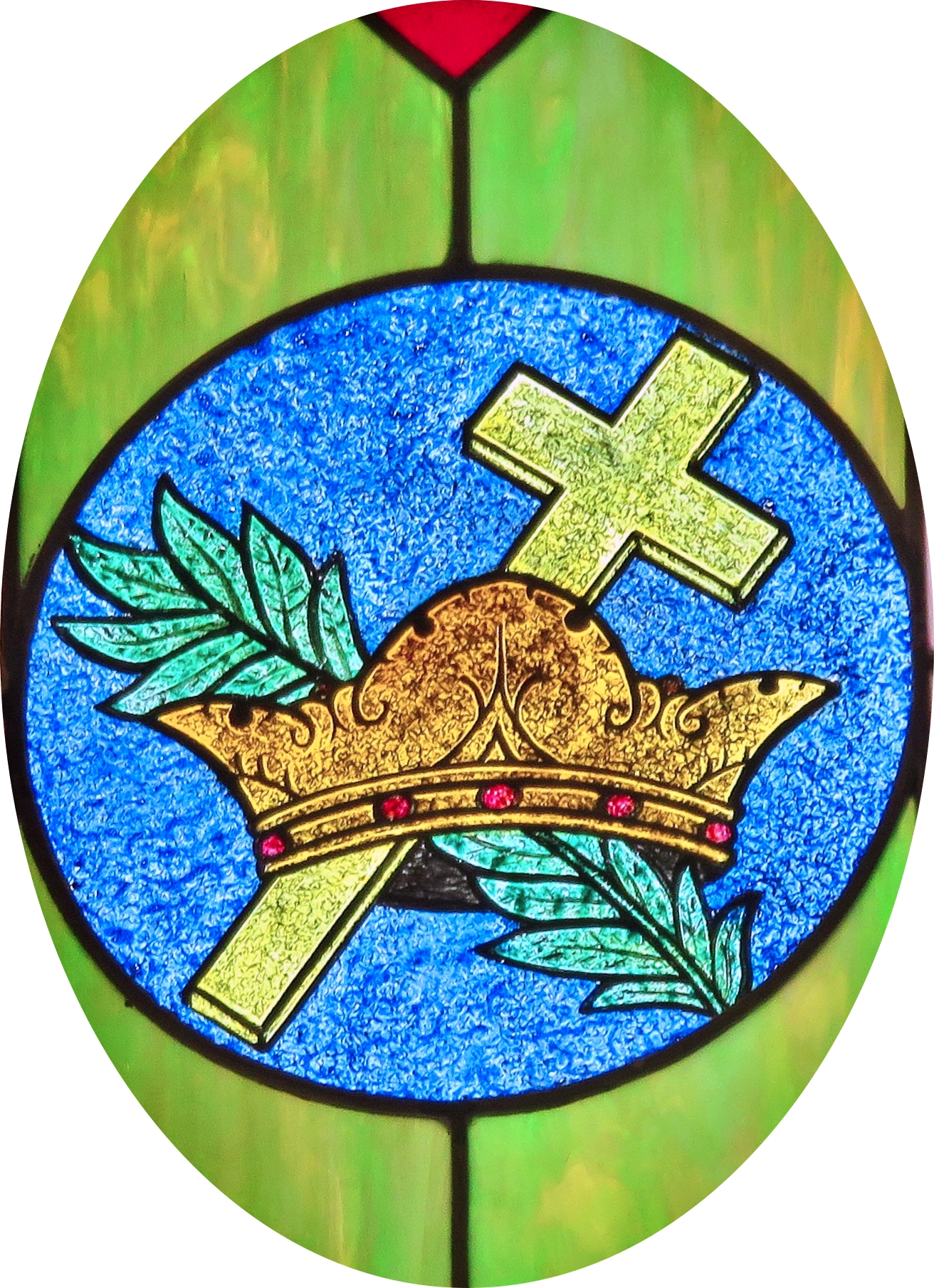 The prophet Samuel was getting old and (without consulting God) he appointed his sons as judges over Israel. Taking bribes, the brothers used their judgeships for financial gain and perverted justice, so the people told Samuel they wanted a king. Rather than allow Yahweh to be their ruler, they wanted a human king like the ones had by all the other nations. Samuel repeated God’s warning, but they refused to listen to him. Rejecting the Lord, they demanded an earthly king and God granted them their wish; Saul became king in 1051 BC. An earthly king, however, did not solve Israel’s problems, and the nation divided 120 years later. By 586 BC, Jerusalem was destroyed and the people were exiled to foreign lands. Some 2,500 years passed before Israel again was a nation with a homeland. Let’s be careful what we wish for!
When Pope Pius XI became Pope in 1922, there was world-wide tension; mass political movements such as communism, fascism, and national socialism were on the rise and various world leaders were offering their version of stability and peace to people longing for security. After a brutal civil war, the Bolsheviks officially established the USSR under Vladimir Lenin. Following Lenin’s death, Trotsky and Stalin battled for power with Stalin ruling by 1925. In Italy, Benito Mussolini cemented fascist rule when he declared himself the country’s dictator in 1925. That same year, while the young Weimar Republic faced severe political crises, the soon-to-be German dictator Adolf Hitler released his political manifesto Mein Kampf. In the U.S., 40,000 unmasked members of the Ku Klux Klan marched down Pennsylvania Avenue in the nation’s capital. The world was as troubled back then as it is today!
Pushing back against the rise of secularization, communism, fascism, and atheism he saw in 1925, Pope Pius XI published the encyclical Quas Primas and instituted the Feast of Christ the King. Maintaining that the “manifold evils in the world were due to the fact that the majority of men had thrust Jesus Christ and his holy law out of their lives,” this new holy day was a way of reminding Christians their one and only King is Jesus. The Pope’s message was simple—it is Christ (and Christ alone) who should reign in our hearts! He said, “As long as individuals and states refused to submit to the rule of our Savior, there would be no really hopeful prospect of a lasting peace among nations.” Back in Samuel’s day, many of Israel’s and Judah’s kings were evil. History tells us that many of the leaders to whom the people turned in 1925 were evil, too. Pope Pius XI instituted Christ the King so we would remember who our true King is and his words are as relevant today as they were over 100 years ago!
Originally celebrated the last Sunday in October, the Feast of Christ the King was moved to the last Sunday of the liturgical year in 1969. In spite of being created by the Roman Catholic Church, the message that our greatest loyalty belongs to Jesus alone resonated throughout Christ’s Church. Many Protestants including Episcopalians, Methodists, Lutherans, and Presbyterians also celebrate this day they know as Christ the King Sunday.
Whether Roman Catholic, Protestant, or Orthodox, we all are prone to forget what it truly means to have Christ our King. Granted, we should be good citizens and respectful of authority. Nevertheless, when God and our government or leaders conflict, we have to join Peter and the Apostles in saying, “We must obey God rather than men.” Although the celebration of Christ the King is this Sunday, November 22, let us remember that Christ remains our King every day of the year!

