
He noticed a fig tree in full leaf a little way off, so he went over to see if he could find any figs. But there were only leaves because it was too early in the season for fruit. Then Jesus said to the tree, “May no one ever eat your fruit again!” And the disciples heard him say it. … The next morning as they passed by the fig tree he had cursed, the disciples noticed it had withered from the roots up. Peter remembered what Jesus had said to the tree on the previous day and exclaimed, “Look, Rabbi! The fig tree you cursed has withered and died!” [Mark 11:13-14, 20-21 (NLT)]
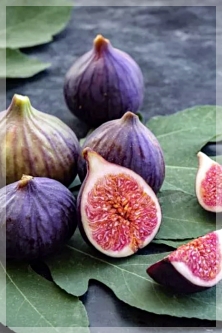 Mark tells of a time when a hungry Jesus cursed a fig tree and caused it to wither and die simply because it had no figs. As the only destructive miracle done by the Lord, His action is difficult to understand, especially since we’re told “it was too early in the season for fruit.” The same power that brought Lazarus back to life and turned water into wine easily could have given the tree ripe figs, so why did Jesus kill the fruitless tree?
Jesus never acted haphazardly and what seems at first to be a pointless act of power becomes a living parable when we put it in context. Taking place during Jesus’ last week of earthly life, Jesus and the disciples were walking from Bethany up to Jerusalem. After cursing the tree (11:13-14), Jesus went into Jerusalem and cleansed the temple of money-changers and merchants (11:15-17). That evening, while the chief priests and scribes plotted Jesus’ death, He and the disciples returned to Bethany (11:18-19). It is the next morning that the withered tree is discovered (11:20-21). The timing of these events was no accident.
Not living in 1st century Judea, we find our figs at the grocery and know nothing about their cultivation. Because both wild and cultivated fig trees were plentiful in Palestine, Jesus and the disciples knew that a fig tree produces edible small fig knobs before its leaves ever appear. Called taqsh, these knobs are the precursors of figs and often were eaten by travelers and the poor. Even though it wasn’t the season for mature fruit, any fig tree “in full leaf” would have displayed a crop of taqsh. The absence of taqsh meant the tree never would never produce fruit. Jesus wouldn’t have cursed an immature tree or one without leaves and He didn’t curse the tree simply because it had no figs. He cursed that leaf-filled tree because it was guilty of false advertising! While its leaves promised knob-like figlets (taqsh) there were none.
Both the cleansing of the temple and the cursing of the unfruitful fig tree have to do with judgment. Throughout the Hebrew Scriptures, the fig tree is symbolic of Israel and the tree’s condition often represented the people’s spiritual fruitfulness, peace, prosperity, and well-being. The fig tree died in judgment but flourished when Israel was righteous and holy.
With its rituals and sacrifices, Israel looked fruitful but, like the fig tree, it lacked fruit—the fruit of righteousness that God demanded. His house of prayer and worship had been turned into a marketplace filled with thieves while Israel’s empty worship was a fruitless sham. With their sacrifices, tzitzit and tefillin, public prayers, adherence to the oral Law, and concern about spiritual cleanliness, they had the trappings of religion but, like the leafy fig, they were all show without substance. Both Jesus’ cursing of the fig tree and His cleansing of the Temple signify God’s impending judgment for religious hypocrisy. Moreover, the dead tree even points to the Temple’s destruction in 70 AD (predicted by Jesus in Matthew 23:38 and 24:2).
The message found in the destruction of this fig tree is not limited to the 1st century Israel; it is meant for us all. The cursing of that tree tells us that God expects His people to bear fruit. It is a warning that fruitlessness leads to judgment. Like that fruitless tree, could we be more show than substance—all leaves but no fruit?
 Devotions of the Heart